Native Plant Picker →
A free iOS app for matching Northeast natives to your sun, soil, and space. It carries 48 Northeast native plants. An optional Design Library unlock is $4.99, paid once.
A field guide in the making, from real beds in New York's Capital Region
What to plant, when to sow, and what the deer walk past. Practical guidance for Northeast and Mid-Atlantic gardens, USDA zones 3 to 7.
Start here, free
Every gardener under deer pressure learns the same lesson: plant what deer dislike, or watch the bed get eaten. This free list is the shortcut.
Plate No. 1, the free list
Twelve Northeast natives rated rarely browsed, and why deer skip them: aromatic foliage, bitter compounds, tough fibrous leaves. Plus a 20 minute fall sowing starter for beds under pressure.
Read the free listRatings describe what deer usually do, not a guarantee for any single garden. Protect new plants their first year.
From the free list
Drawn the way a field guide would introduce them: name, size, light, and the reason deer move on. All six are on the free list, with six more.
Plate No. 2
Intensely aromatic foliage deer dislike. A top tier pollinator plant, and hummingbirds work it all summer.
Plate No. 3
Mint oils in the leaves. Arguably the best pollinator plant in the Northeast. Give it room, a happy patch spreads.
Plate No. 4
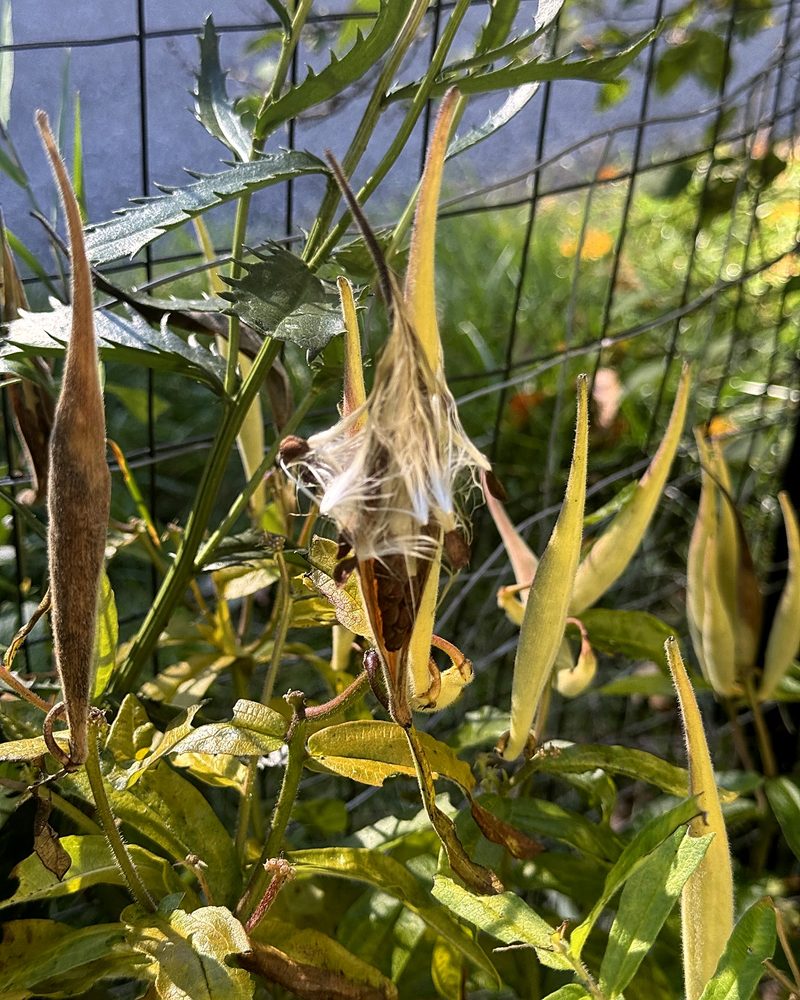
Milky sap with cardiac glycosides, and a monarch host plant. Needs soil that drains.
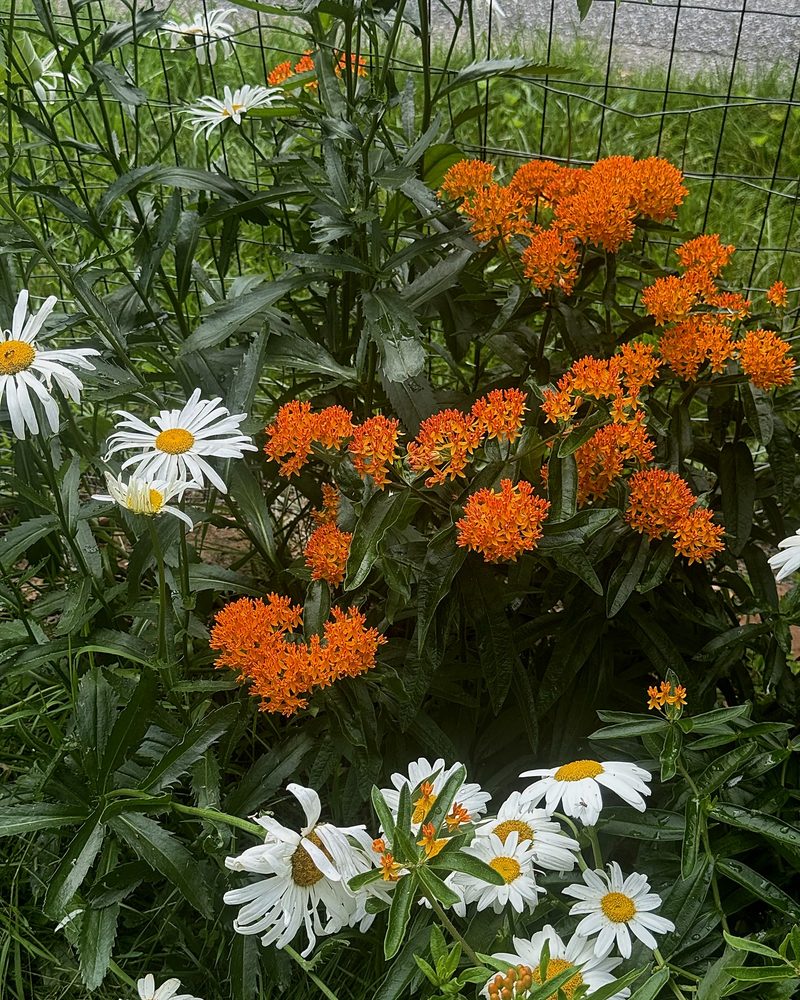
Plate No. 5
A fibrous warm season grass, and deer are browsers, not grazers. Copper fall color and winter structure.
Plate No. 6
Evergreen, leathery, and tolerant of dry shade. One of the hardest working shade plants we know.
Plate No. 7
Rarely browsed. It spreads by runners into a weed proof shade carpet, with spring flowers on top.
The app
A free iOS app for matching Northeast natives to your sun, soil, and space. It carries 48 Northeast native plants. An optional Design Library unlock is $4.99, paid once.
The guides
The complete planting guide: choosing, siting, and sowing Northeast natives, bed by bed.
Rates 36 Northeast natives for deer resistance, and covers the fencing and repellents that actually work. The free list above is its starter plate.
Both guides and the free list live on our Gumroad shelf.
Questions, answered plainly
Northeast Native Garden is a garden project from New York's Capital Region. It publishes practical native plant guidance for Northeast and Mid-Atlantic gardens in USDA zones 3 to 7: what to plant, when to sow, and which plants deer rarely touch.
Deer usually walk past natives with aromatic foliage, bitter or toxic compounds, or tough fibrous leaves. The free list names 12: wild bergamot, mountain mint, butterfly weed, swamp milkweed, foxglove beardtongue, wild blue indigo, little bluestem, switchgrass, Pennsylvania sedge, Christmas fern, bloodroot, and foamflower.
No. A hungry deer in late winter will sample almost anything. Plants rated rarely browsed hold up best once established, and new plants of any kind deserve protection for their first year.
Fall. Many Northeast natives need cold, damp weeks before they will sprout. Milkweed seed wants about 60 days of it. Sowing in late fall lets winter do that work, and seedlings wake on their own schedule in spring.
Northeast and Mid-Atlantic beds in USDA zones 3 to 7, including the fertile loam we garden in here. Each plant listing notes the sun and moisture it wants, so you can match plants to your own ground.
Native Plant Picker is a free iOS app that matches 48 Northeast native plants to your sun, soil, and space. An optional Design Library unlock costs $4.99, paid once.
On Gumroad. The Northeast Native Garden Guide ($19) is the complete planting guide. The Deer-Proof Garden Playbook ($9) rates 36 Northeast natives and covers the fencing and repellents that hold up.